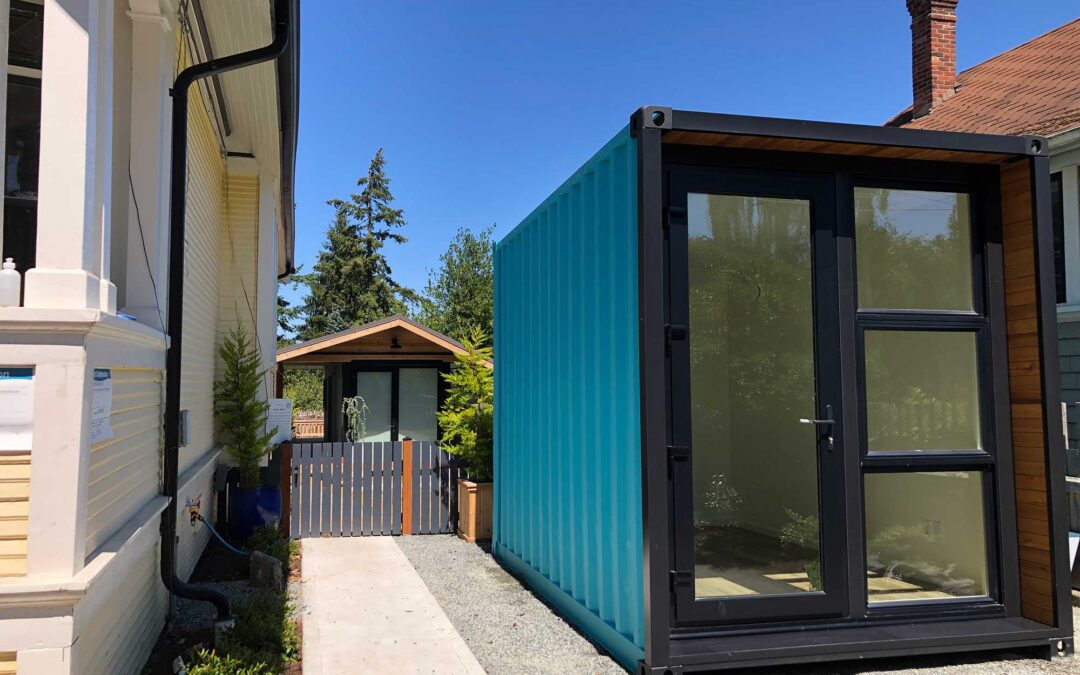
Adding a backyard office, studio, or extra living space is a dream for many BC homeowners. Modular pods and other backyard structures are a flexible, modern solution—but before you start building, it’s important to understand permits and zoning requirements.
Because regulations vary by municipality, this post won’t give official legal advice. Instead, it’s a practical guide to help you navigate the process and know where to start your research.
Why Permits and Zoning Matter
Municipalities regulate backyard structures to ensure safety, maintain community aesthetics, and protect property values. Permits and zoning rules typically cover:
- Building size and height: How big your structure can be and how tall it can go.
- Setbacks: The required distance from property lines, fences, and other buildings.
- Use restrictions: Whether the structure can be used as an office, guest suite, or rental unit.
- Safety standards: Compliance with building codes for electrical, plumbing, and structural safety.
Following local rules is important—not just to avoid fines—but also to protect your home’s insurance coverage and resale value.
Types of Structures That May Require Permits
Common backyard structures include:
- Garden sheds and storage units
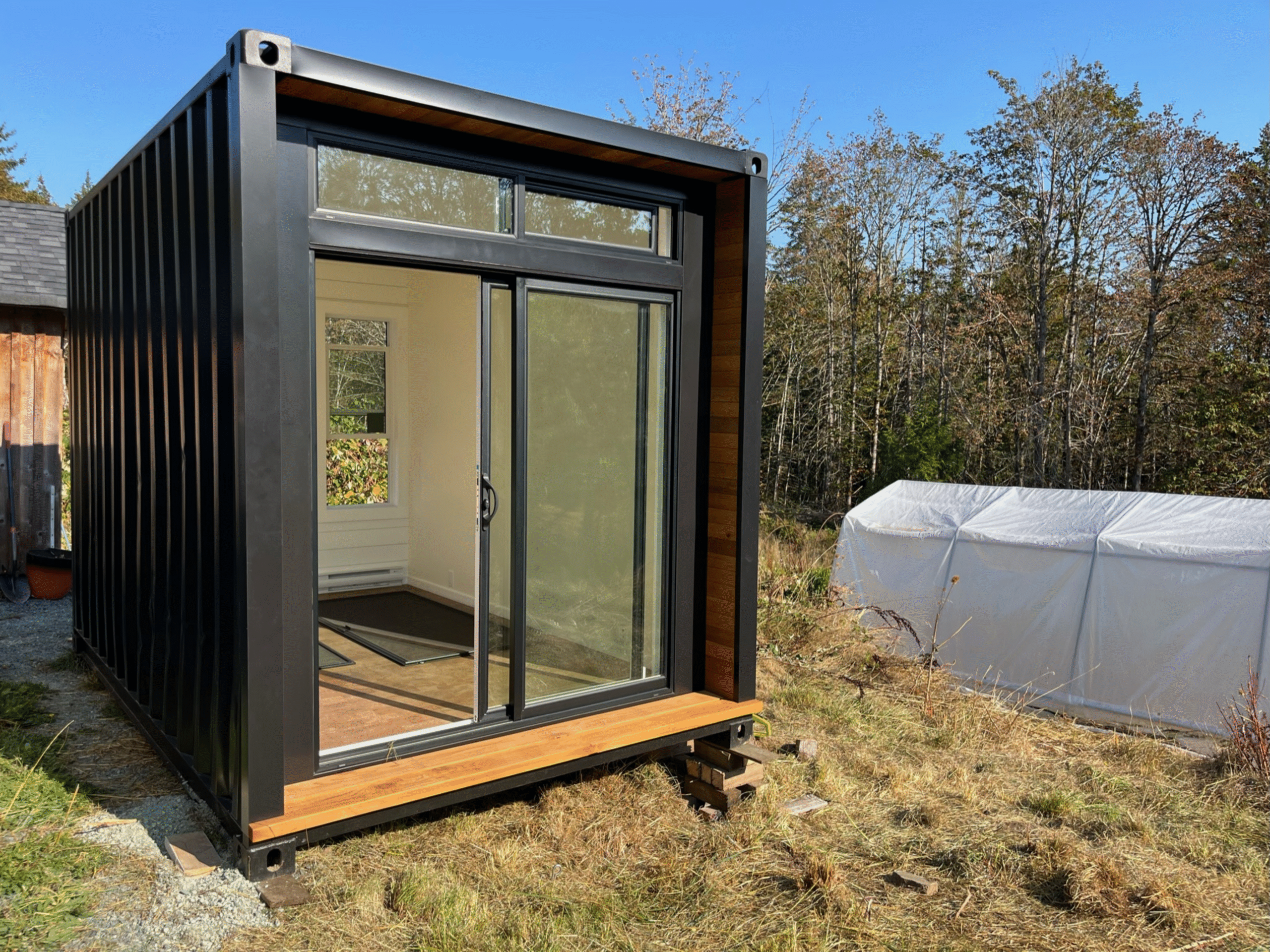
- Drop-in home offices or modular pods
- Detached garages or carports
- Accessory dwelling units (ADUs), sometimes called “granny suites” or “laneway homes”
Generally, smaller temporary structures may have less stringent requirements, while larger or permanent structures almost always require permits. But the exact rules differ depending on your city or district.
Steps to Take Before Installing a Backyard Structure
Here’s a framework to help you get started:
- Check Your Municipal Website: Each city or district in BC has its own zoning bylaws and building permit requirements. Look for pages on “building permits,” “zoning regulations,” or “secondary suites/accessory structures.” Examples:
- Understand Your Property’s Zoning: Zoning dictates what types of structures are allowed on your property, the size, and how they can be used. Even if your structure seems small, zoning may affect placement and height. Most municipal websites have a zoning map or tool you can check.
- Confirm Building Permit Requirements: Some municipalities allow small accessory buildings under a certain size to be exempt from a building permit, but others require permits for anything above a certain threshold. Knowing these rules early can save time and money.
- Consult a Professional When Needed: If you’re unsure, a designer, architect, or contractor experienced with your local bylaws can help ensure your project complies. They can guide you through permit applications, site plans, and inspections.
- Plan for Inspections: If a permit is required, expect at least one or more inspections during construction to ensure the structure meets safety and code standards.
Common Questions Homeowners Have
Q: Do I need a permit for a drop-in modular pod? A: It depends on your municipality and the size of the pod. Always check local rules first.
Q: Can I rent out my backyard structure? A: Many zoning regulations limit rental or habitation. A structure used as a guest suite or office may have different rules than one used for rental purposes.
Q: What if I skip the permit? A: Building without a required permit can result in fines, having to remove or modify the structure, and potential insurance complications. Always verify requirements before installing.
Tips for a Smooth Process
- Start Early: Research before ordering or building your structure.
- Document Everything: Keep copies of permit applications, approvals, and inspections.
- Measure Carefully: Know your lot lines, setbacks, and property boundaries.
- Communicate With Neighbours: In some cases, neighbours’ consent may be needed if the structure is close to property lines.
Why Modular Pods Are a Great Option
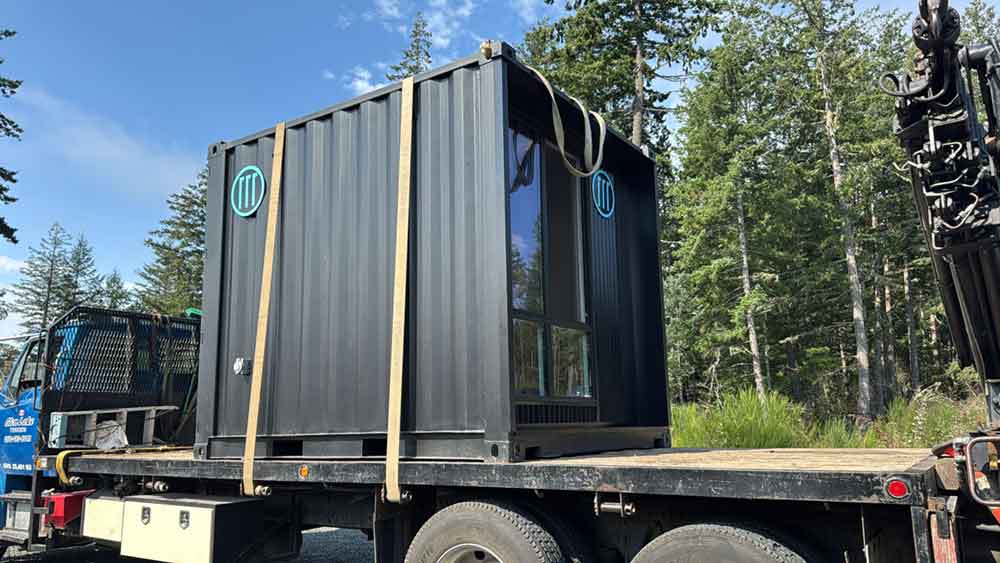
Modular pods, like the ones offered by West Coast Container Homes, are prefab and flexible, making them easier to plan for permitting:
- Many pods are small and modular, reducing the complexity of approvals.
- They can be delivered and installed quickly, eliminating the need for on-site construction.
- Pods can be designed to fit within setbacks and zoning rules more easily than traditional home additions.
Even so, it’s important to verify your municipality’s requirements before ordering or installing a pod.
Resources for BC Homeowners
Here are some official resources to help guide your research:
- BC Building Code
- Building or Renovation Permits in BC
- Check your local municipal website for zoning maps, permit applications, and design guidelines
Bottom Line
Adding a prefab, modular pod in BC can be a fantastic way to create extra living, work, or recreational space—but permits and zoning rules vary by municipality. Start with research, understand your property’s zoning, and consult professionals if needed. By doing so, you’ll avoid surprises, stay compliant, and enjoy your new space with peace of mind.
Whether it’s a home office, guest suite, or backyard sauna, modular pods offer a flexible and practical solution for families looking to expand their living space—without the hassle of a full home addition. West Coast Container Homes also offers pod rental options starting at just $690/mo.
Explore West Coast Container Homes’ modular pods today to see how they can fit on your property while keeping your project streamlined and stress-free.